Decoding Encryption Standards That Protect Financial Transfers in Portable Betting Applications
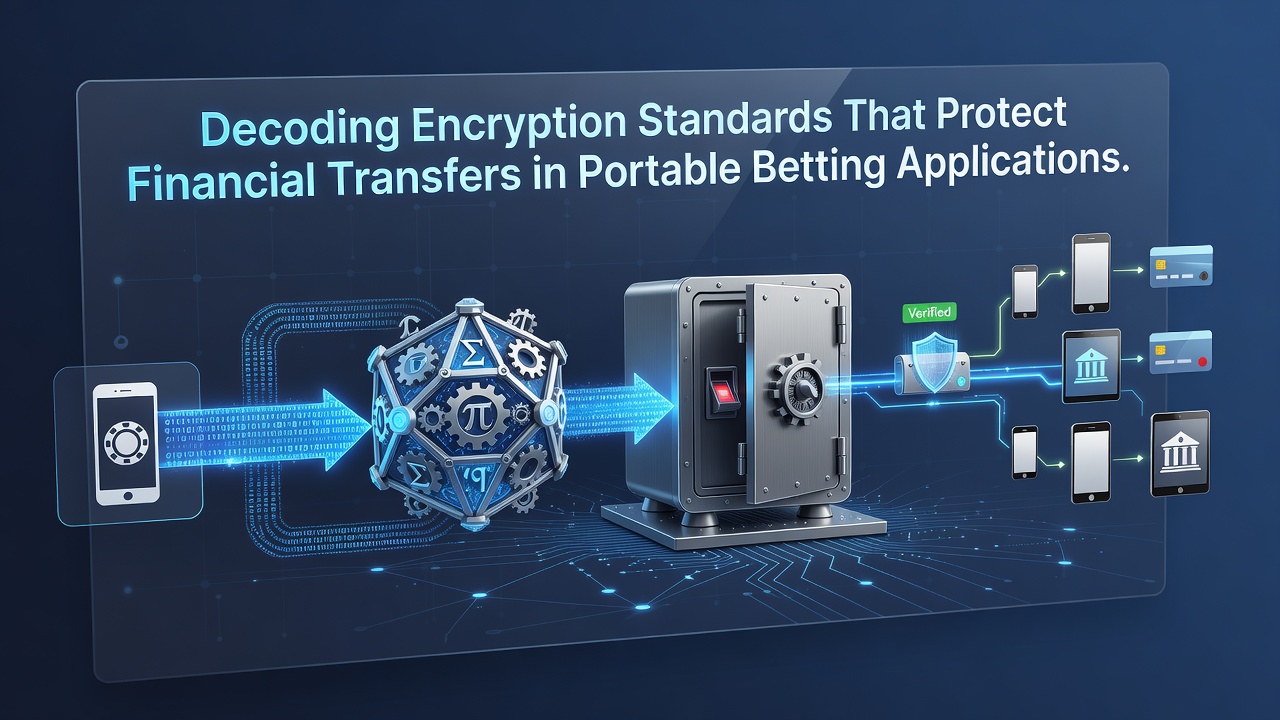
Financial transfers in portable betting applications rely on layered encryption protocols that safeguard data during transmission and storage, and these systems have evolved significantly by June 2026 to address emerging threats in mobile environments. Developers integrate standards such as AES-256 for symmetric encryption alongside TLS 1.3 for secure channel establishment, while public key methods like RSA-2048 or elliptic curve variants handle initial key exchanges between user devices and backend servers.
Core Protocols in Mobile Payment Security
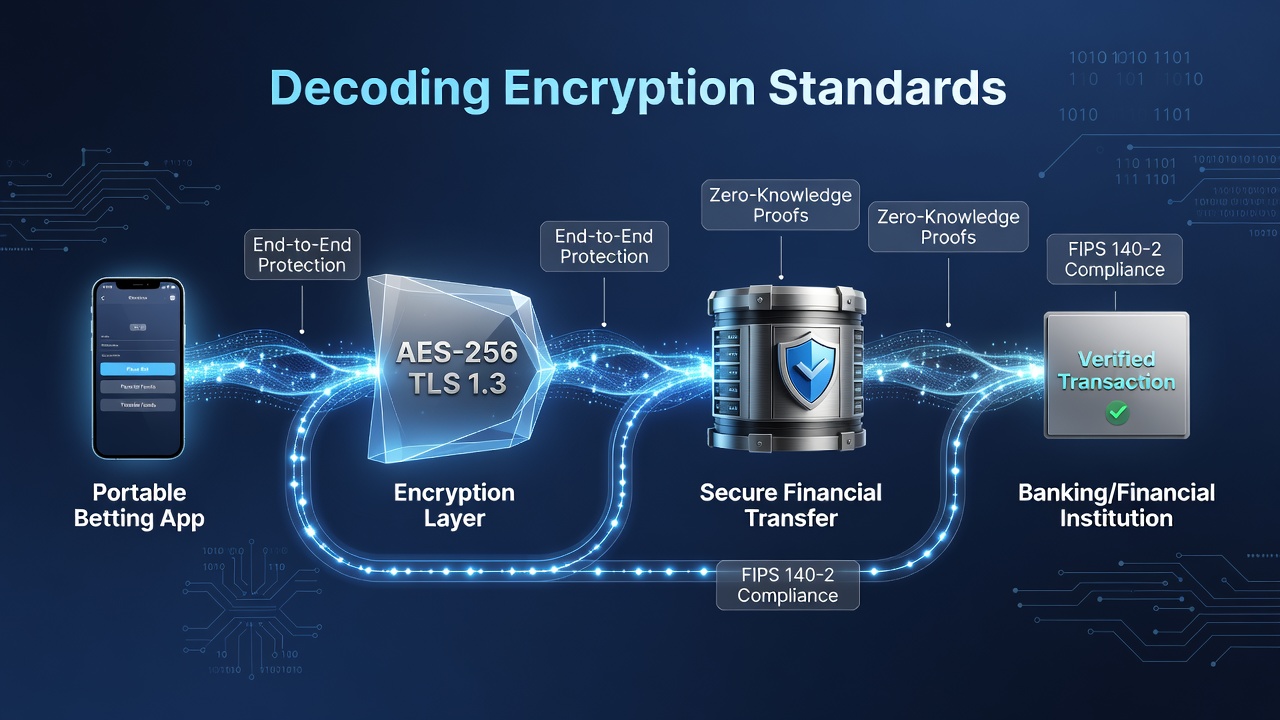
Portable betting platforms process deposits and withdrawals through APIs that encrypt sensitive card details, account numbers, and transaction metadata before they leave the device, and this process begins with handshake procedures that verify server certificates issued by trusted authorities. AES-256 operates as the workhorse for bulk data encryption once a session key is established, delivering resistance against brute-force attempts through its 256-bit key length, while TLS 1.3 reduces latency by streamlining the negotiation steps compared to earlier versions. Observers note that many applications now default to forward secrecy modes, ensuring that even if long-term keys become compromised, past sessions remain protected because ephemeral keys are discarded after use.
Key management forms another critical layer, with hardware security modules storing root credentials on the server side and device-bound keystores protecting client-side material in mobile operating systems. Research from standards bodies shows that improper implementation of these elements has historically led to vulnerabilities, prompting industry-wide adoption of certificate pinning to block man-in-the-middle interference during network handshakes.
Regulatory Frameworks and Compliance Requirements
Multiple jurisdictions impose specific mandates on encryption practices for gambling-related financial flows, and portable applications must satisfy these while maintaining cross-platform compatibility. In the United States, operators align with PCI DSS requirements for any cardholder data handling, which explicitly calls for strong cryptography during transmission, whereas Canadian provincial regulators emphasize end-to-end protection for player funds moving through licensed platforms. European frameworks further require documented risk assessments that include encryption strength evaluations, creating documentation trails that auditors review during licensing renewals.
Those who have studied compliance patterns across regions observe that certification bodies often reference NIST guidelines when validating algorithm choices, and this alignment helps portable applications demonstrate due diligence without duplicating testing efforts. Data from industry reports indicates that applications passing these audits experience fewer payment disputes related to unauthorized access incidents.
Implementation Patterns Across Leading Applications
Developers embed encryption libraries directly into application code or rely on operating system APIs to handle cryptographic operations, and this choice influences both performance and security posture in resource-constrained mobile environments. Some platforms incorporate additional tokenization layers that replace actual payment credentials with temporary surrogates, reducing the volume of sensitive information processed during each transfer. Others deploy runtime application self-protection mechanisms that monitor for tampering attempts while encryption routines execute.
Testing procedures typically include penetration assessments that simulate network interception and device compromise scenarios, with findings feeding back into code updates released through app store channels. Figures reveal that applications updating their cryptographic libraries quarterly maintain higher resilience scores during independent evaluations compared to those following longer cycles.
Emerging Developments as of Mid-2026
Post-quantum cryptography preparations have accelerated in portable betting applications, with several providers beginning pilot integrations of lattice-based algorithms alongside existing RSA and elliptic curve methods to future-proof against potential quantum computing advances. These hybrid approaches allow gradual migration without disrupting current transaction flows, and regulatory guidance issued in early 2026 encouraged such proactive measures in high-volume payment environments. Mobile device manufacturers have also introduced enhanced secure enclave features that isolate cryptographic operations from the main processor, limiting exposure even if other system components face compromise.
Industry organizations tracking adoption rates report steady growth in the use of these combined standards, particularly among applications serving international user bases where regulatory expectations vary by jurisdiction. What's interesting is how these technical shifts coincide with broader moves toward real-time settlement systems that demand both speed and robust protection.
Conclusion
Encryption standards continue to underpin the reliability of financial transfers within portable betting applications, and ongoing refinements reflect both technological progress and regulatory expectations across different markets. Continued monitoring of implementation quality remains essential as new protocols and device capabilities emerge.