Exploring Sound Design Elements That Influence Session Durations in Digital Reel Machines
Digital reel machines rely on carefully engineered audio layers that guide player attention and pacing, and researchers continue to examine how specific sound elements correlate with longer or shorter play sessions across various platforms. Sound designers work with frequency ranges, tempo shifts, and trigger-based cues that activate during spins, wins, and bonus rounds, while data collected from multiple jurisdictions shows measurable differences in average session lengths when these elements change. In June 2026 industry reports highlighted ongoing refinements in audio algorithms as developers responded to updated compliance standards from gaming authorities in several regions.
Core Audio Components in Reel Machines
Background tracks establish an initial rhythm that players encounter upon loading a game, and developers adjust beats per minute to match volatility levels so that higher-variance titles often feature slower, atmospheric loops whereas low-volatility games use brighter, faster melodies. Win chimes and celebration stingers follow strict timing rules, with shorter, brighter sounds attached to small payouts and longer, layered fanfares reserved for larger wins that require multiple reels to align. Near-miss sequences incorporate rising tonal patterns that stop just short of resolution, and studies tracking clickstream data reveal these patterns frequently extend teh interval between spins by fractions of a second that accumulate over hundreds of plays.
Tempo Modulation and Player Retention Patterns
Dynamic tempo changes occur when reel speed or bonus entry alters the musical pulse, and operators have documented that gradual acceleration during free-spin modes coincides with extended engagement metrics in aggregated platform logs. Observers note that abrupt tempo drops after a losing streak sometimes prompt players to adjust bet sizes rather than exit, although the precise causal link remains under review by independent testing facilities. Audio ducking techniques lower background volume during critical reel stops, which allows win sounds to occupy the foreground and creates a perceptual reward loop that data from multiple software providers associates with incremental increases in session duration.
Spatial and Layered Sound Techniques
Modern engines employ stereo panning and subtle reverb to simulate physical cabinet acoustics even on mobile devices, and these spatial cues help maintain immersion without requiring visual changes. Layered ambient tracks, such as distant crowd murmurs or mechanical reel noises, fill frequency gaps between music and effect sounds, preventing auditory fatigue that might otherwise shorten play time. Research conducted through university partnerships indicates that players exposed to consistent spatial audio across sessions demonstrate steadier spin rates compared with those using mono or compressed audio streams.
Trigger-Based Audio Events and Behavioral Data
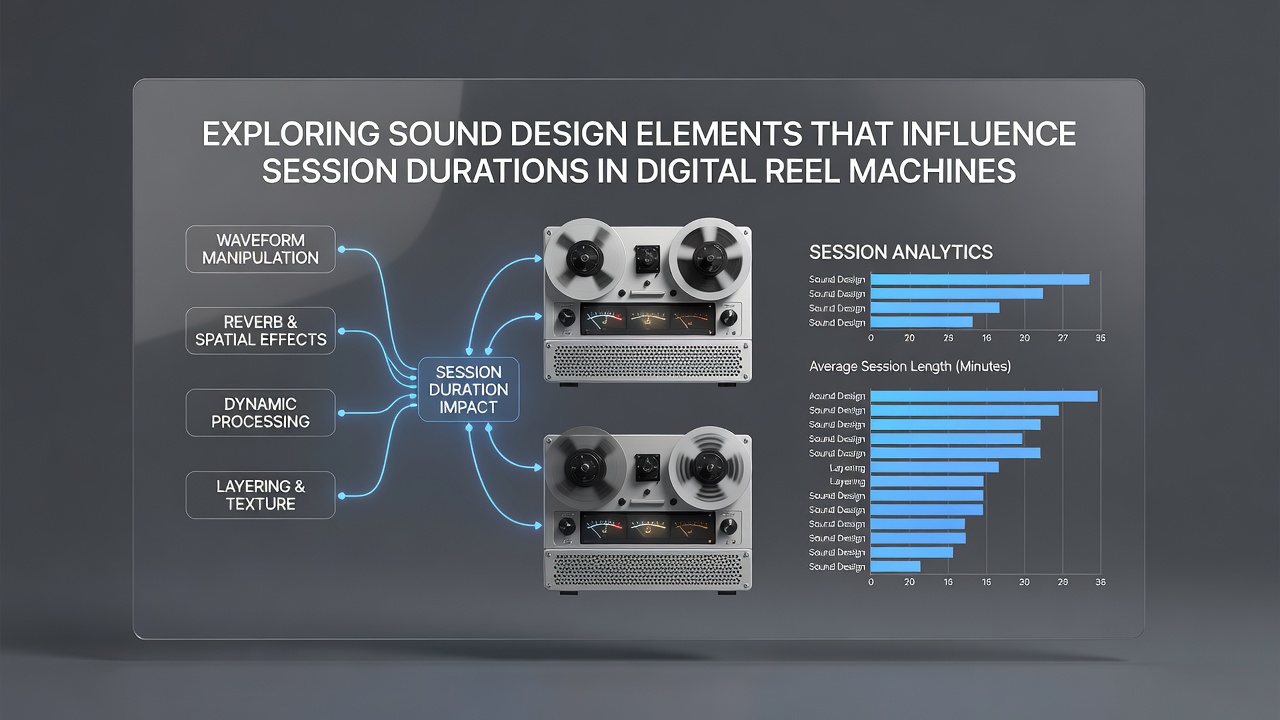
Bonus round entry sounds function as strong transition markers, and platforms that vary the length and harmonic complexity of these cues record different retention curves in their telemetry. Progressive jackpot meters often carry continuous low-frequency drones that intensify as the prize grows, and operators report that these sustained tones correlate with higher average session times in titles linked to wide-area networks. Adaptive mixing systems monitor real-time player activity and adjust volume envelopes accordingly, which allows quieter periods to avoid abrupt silences that might break engagement flow.
Regulatory and Technical Standards in 2026
Gaming laboratories certified under frameworks from the Nevada Gaming Control Board and equivalent bodies in other jurisdictions evaluate audio files for fairness and transparency alongside visual RNG components. Compliance documentation from June 2026 shows increased scrutiny of audio trigger timing because certain patterns had previously raised questions about unintended reinforcement effects. Developers therefore maintain detailed change logs that record every modification to sound libraries, and these records support audits that track correlations between audio updates and session metrics across certified titles.
Cross-platform consistency requires that mobile versions preserve the same frequency balance and trigger thresholds as desktop releases, while compression algorithms must avoid introducing artifacts that alter perceived timing. Industry organizations such as the Canadian Centre for Gaming Research have published technical briefs outlining recommended ranges for win-sound duration and background tempo, providing developers with reference points that align with regional player-protection guidelines.
Conclusion
Sound design in digital reel machines operates through interconnected layers of tempo, frequency, and trigger logic that collectively shape how long sessions last, and ongoing data collection from certified platforms continues to refine understanding of these relationships. Technical standards updated through 2026 emphasize documentation and testing protocols that treat audio as an integral part of game certification rather than a secondary feature, while research partnerships supply the empirical foundation for future adjustments. As new titles enter regulated markets, the same principles of measured audio modulation and compliance logging remain central to maintaining consistent session patterns across diverse player bases.