Inside the Design Labs: Crafting Immersive Elements That Extend Playtime in Handheld Casino Apps
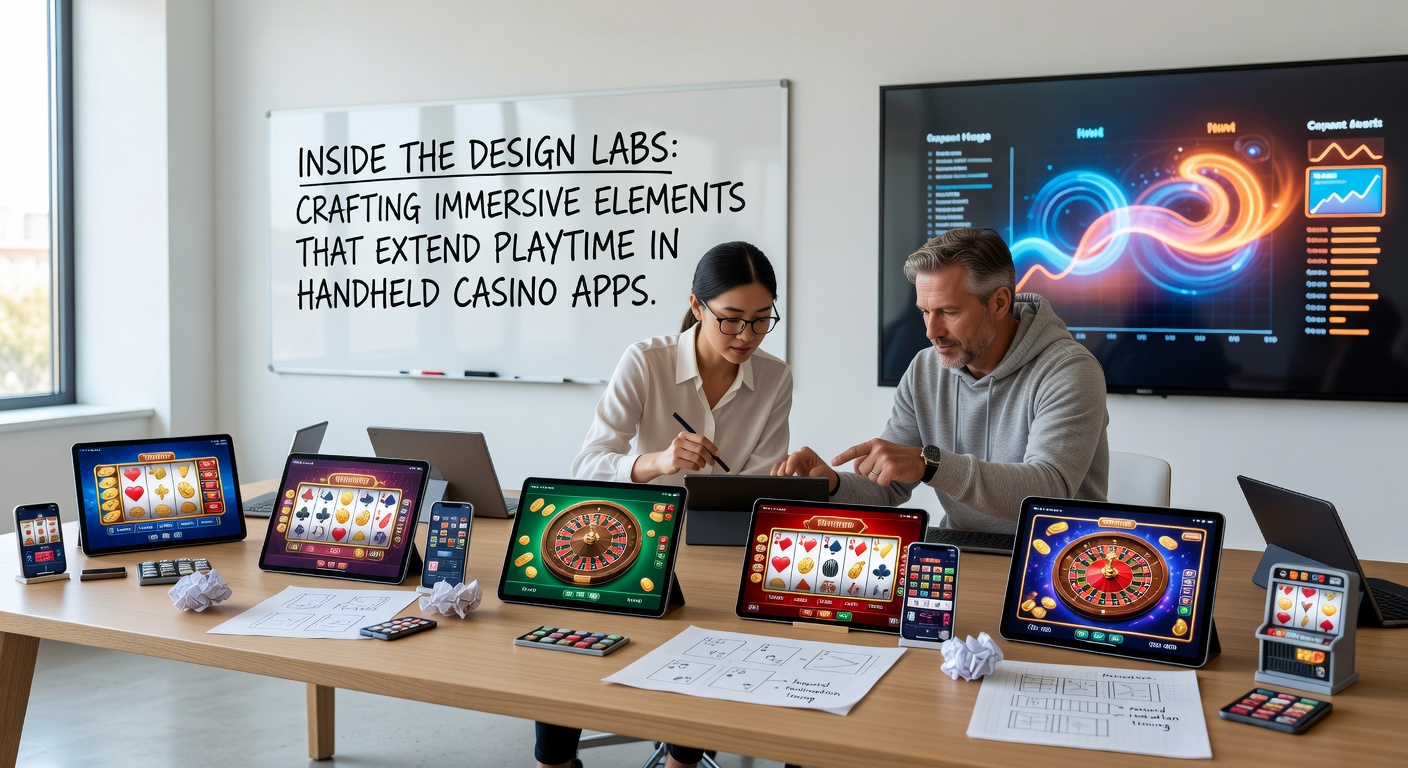 Developers in specialized labs spend countless hours refining every pixel and interaction that appears on a smartphone screen because those details shape how long users stay engaged with handheld casino applications. Teams combine visual effects, audio layers, and responsive controls to build environments that feel alive rather than static, and data from multiple markets shows these choices directly influence session lengths across different player groups. In May 2026 several studios released updates that incorporated new haptic feedback patterns tested earlier in the year, and regulators in multiple jurisdictions began reviewing how such features affect overall play patterns.
Core Visual and Spatial Techniques
Artists and engineers start by mapping out three-dimensional spaces that fit comfortably within small displays yet expand when users tilt or swipe their devices. Parallax scrolling and layered backgrounds create depth that draws attention without overwhelming the limited screen real estate, while dynamic lighting shifts based on in-game events rather than remaining constant. Research published by the University of Nevada, Reno indicates that players complete more rounds when environments respond to their actions in real time, and developers apply these findings by testing dozens of lighting variants before final release.
Audio Layers and Haptic Integration
Sound designers layer subtle ambient tracks beneath clearer effect cues so the experience feels continuous rather than repetitive, and they adjust frequencies to match typical mobile speaker output. Haptic motors receive precise instructions that sync with reel stops or card flips, giving physical feedback that reinforces each result without requiring players to look away from the screen. Observers note that applications using coordinated audio-haptic pairs record higher return rates within the first twenty-four hours compared to versions that rely on visual cues alone, and this pattern holds across both iOS and Android platforms.
Progression Systems That Maintain Momentum
Design labs build progression mechanics around daily login rewards, level-based unlocks, and short-term challenges that reset frequently enough to feel achievable. These systems track individual behavior through anonymized data streams and adjust difficulty curves so most sessions end on a positive note while still leaving room for another quick round. Figures released by the New Jersey Division of Gaming Enforcement show that applications with adaptive challenge structures maintain active user bases longer than those with fixed reward schedules, and developers now run live A/B tests that swap entire progression trees mid-campaign to measure retention shifts.
One testing facility documented how adding a simple streak counter increased average session time by measurable margins across thousands of accounts, and similar results appear in reports from Canadian provincial regulators. Teams avoid static leaderboards in favor of personal best comparisons that feel more attainable, and they place these metrics in secondary screens rather than forcing them into the main play area.
Real-Time Personalization and Adaptive Content
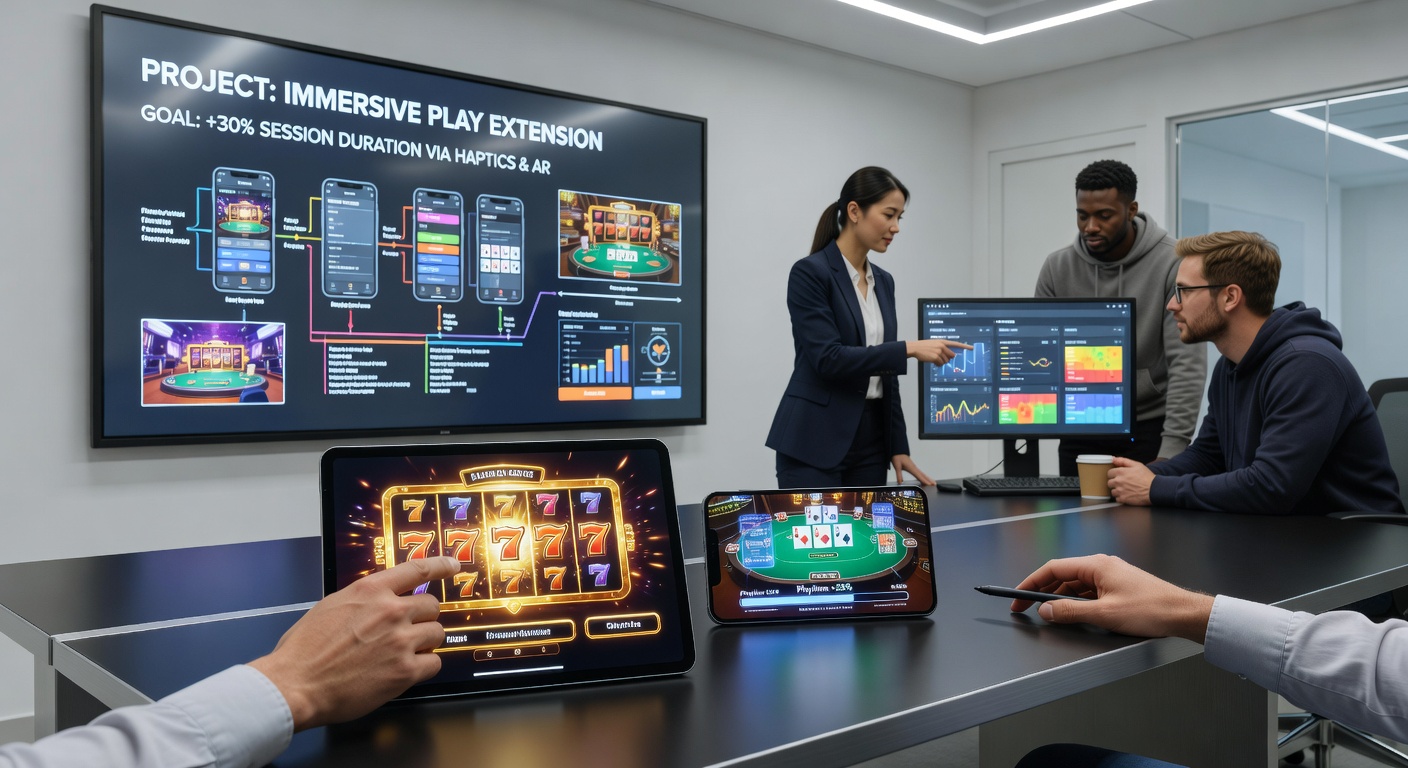
Algorithms monitor recent wins, preferred game types, and time-of-day patterns to surface tailored suggestions within seconds of launch, and they rotate promotional offers so users encounter fresh content each visit. This approach relies on edge computing to keep latency low even on variable mobile networks, and labs simulate poor connections during testing to ensure the experience does not break when signals drop. Data shared by the Australian Communications and Media Authority highlights that personalized onboarding sequences correlate with extended first-week activity, prompting several major operators to standardize these flows across their handheld portfolios.
Testing Protocols and Iteration Cycles
Quality assurance groups run controlled sessions with diverse participant pools that include both experienced and occasional players, collecting telemetry on swipe accuracy, eye movement, and voluntary exit points. Engineers then refine interaction zones based on heat maps rather than assumptions, and they repeat the process after each major content drop. Reports from the European Gaming and Betting Association confirm that iterative testing cycles reduce friction points that previously caused early exits, and studios now schedule these reviews on rolling two-week cadences to match rapid content updates.
Conclusion
Handheld casino applications continue to evolve through deliberate design choices made inside specialized labs, where teams balance visual richness, sensory feedback, and adaptive systems to support longer yet controlled play sessions. Regulatory bodies across several regions track the outcomes of these developments, and the data they gather informs future guidelines on responsible feature implementation. As device capabilities advance, the same labs that refined current techniques now prepare frameworks for emerging input methods while maintaining focus on measurable engagement metrics that have already shaped the market through May 2026.