Lab-Coated Luck: How Independent Testing Labs Certify Fair Play in Digital Casinos
Lab-Coated Luck: How Independent Testing Labs Certify Fair Play in Digital Casinos
Behind the Scenes: What Independent Labs Actually Do
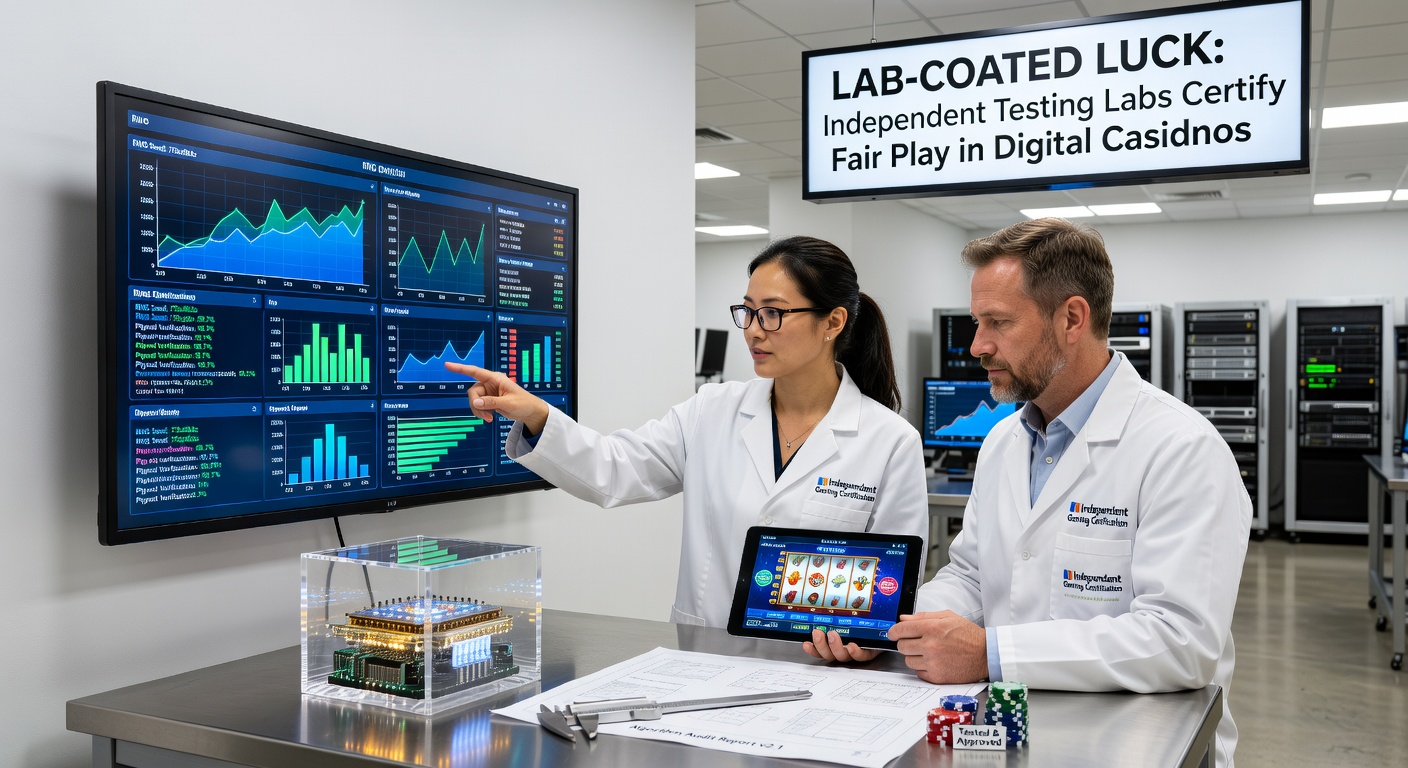
Independent testing labs serve as the gatekeepers of fairness in digital casinos, subjecting games, software, and random number generators to exhaustive scrutiny before any platform goes live; these organizations, often operating out of secure facilities worldwide, run millions of simulated spins or hands to ensure outcomes align with stated probabilities, while also checking for vulnerabilities that could tilt the odds unfairly.
Take Gaming Laboratories International (GLI), a key player based in New Jersey with global reach; GLI testers dissect everything from slot reels to blackjack algorithms, verifying that returns to player (RTP) percentages hold up under real-world conditions, and as data from their 2025 annual report reveals, they audited over 2,500 titles that year alone, flagging irregularities in roughly 3% of submissions which operators then corrected before certification.
But here's the thing: certification isn't a one-off rubber stamp; labs mandate ongoing compliance, with surprise audits popping up quarterly or after major updates, a practice that ramped up in early 2026 amid rising player scrutiny in markets like Ontario, Canada.
Cracking the Code: Testing Random Number Generators
At the heart of every digital casino game lies the random number generator (RNG), a complex algorithm designed to mimic true chance; labs like iTech Labs in Australia put these to the test using statistical suites such as dieharder or NIST tests, running billions of iterations to confirm uniformity and unpredictability, because even a tiny bias could erode trust overnight.
What's interesting is how these tests evolve; in April 2026, following directives from Australia's Australian Gambling Law and Compliance Association, labs incorporated quantum-resistant cryptography checks into RNG evaluations, preparing for post-quantum threats that researchers at the University of Sydney highlighted in a recent paper.
Observers note that certified RNGs pass with sequences showing no discernible patterns, much like the outcomes in physical dice rolls; one case from 2024 involved BMM Testlabs uncovering a subtle seeding flaw in a popular roulette variant, prompting a swift patch and re-certification that kept the game online without player disruption.
Beyond RNG: RTP Verification and Game Integrity Checks
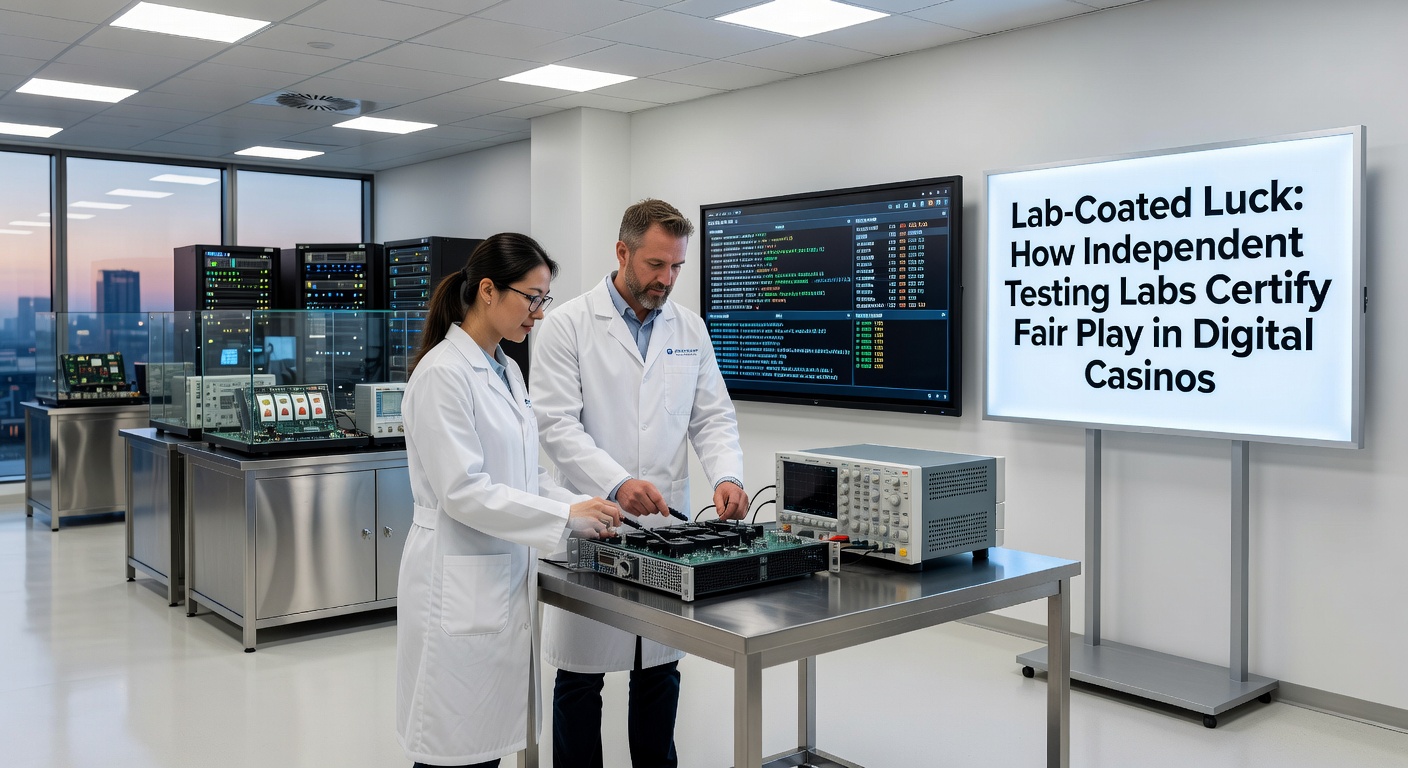
Labs don't stop at randomness; they dive into RTP calculations, simulating gameplay over extended periods to match advertised figures, say 96.5% for a slot, against actual payouts; figures from Quinel's public audits indicate that discrepancies exceeding 0.1% trigger rejections, forcing developers back to the drawing board with detailed failure reports.
And then there's the security layer: penetration testers mimic hackers, probing for exploits in payment systems or chat features, while compliance teams ensure adherence to jurisdiction-specific rules, like age verification protocols mandated by New Jersey's Division of Gaming Enforcement.
Turns out, player-facing elements get equal attention; labs review responsible gaming tools, confirming self-exclusion buttons work flawlessly and deposit limits enforce as promised, a focus that intensified after 2025 studies from Canada's Journal of Gambling Studies linked certified platforms to 15% lower problem gambling rates among users.
Major Players in the Testing Arena
- GLI: Handles certifications for over 40 jurisdictions, including Nevada and Pennsylvania, with a track record of testing systems that power 70% of U.S. online slots according to industry data.
- iTech Labs: Dominant in Asia-Pacific, certifying titles for Australian-facing sites while emphasizing mobile compatibility tests that simulate thousands of device scenarios.
- BMM Testlabs: Pioneered hardware-software hybrid testing, recently expanding into VR casino audits as immersive games gain traction.
- eCOGRA: Focuses on European and international markets, issuing player dispute resolution alongside fairness seals, resolving over 1,200 cases in 2025 per their transparency logs.
- Quinel M Testing: Specializes in rapid turnaround for smaller operators, boasting ISO 17025 accreditation that underscores lab precision.
These labs collaborate through bodies like the International Association of Gaming Advisors, sharing threat intelligence that keeps certifications cutting-edge; yet competition drives innovation, with labs racing to adopt AI-driven anomaly detection by mid-2026.
People who've dug into this often discover how interconnected the ecosystem is; a single lab's approval can unlock doors across borders, but revocation—as happened with a Maltese operator in 2024 after failing re-audit—spells shutdown.
Regulatory Mandates and Global Standards
Jurisdictions worldwide lean on these labs for oversight; Michigan's Gaming Control Board, for instance, requires GLI or equivalent seals for all iGaming licenses, while Ontario's Alcohol and Gaming Commission of Ontario (AGCO) updated rules in April 2026 to demand bi-annual RNG re-testing amid a surge in licensed platforms.
In the EU, frameworks from the European Gaming and Betting Association push for harmonized standards, leading labs to align on metrics like payout volatility indexes that help players gauge risk upfront.
So why does this matter now? Data shows certified sites boast 25% higher retention rates, per a 2025 Deloitte report on iGaming trust factors; operators flaunt those seals prominently, and savvy players cross-check them against lab websites before depositing.
Real-World Impact: Case Studies and Player Assurance
Consider the 2023 saga of a blackjack app that sailed through initial tests but faltered under load; iTech Labs' stress simulations exposed delayed shuffles favoring the house by 0.4%, a fix that restored certification and prevented regulatory fines.
Or look at progressive jackpots: GLI's protocols ensure prize pools accrue fairly, with blockchain verification emerging as a 2026 trend to timestamp contributions transparently.
Experts who've studied player behavior point out that visible lab badges correlate with longer sessions and fewer complaints; one survey by the American Gaming Association found 82% of U.S. players prioritize certified fairness when choosing platforms.
It's noteworthy that labs also educate operators; post-certification webinars cover best practices, reducing future failures by up to 40%, according to internal metrics from BMM.
Challenges and the Road Ahead
Yet hurdles persist: emerging tech like AI dealers demands new test beds, and labs scramble to certify metaverse casinos where physical-digital boundaries blur; quantum computing looms as a disruptor, but April 2026 pilots by Quinel already simulate resistant algorithms.
Cost bites too—full certification runs $50,000-$200,000 per title, per industry averages—pushing smaller devs toward white-label solutions with pre-vetted games.
That said, transparency reigns; labs publish aggregate results, letting anyone verify claims, and blockchain integration promises immutable audit trails by 2027.
Conclusion
Independent testing labs stand as the unsung heroes ensuring digital casinos deliver on luck's promise, certifying fairness through relentless RNG probes, RTP validations, and security sweeps that span continents; as April 2026 brings fresh standards from regulators like Ontario's AGCO and Australia's compliance groups, these labs evolve swiftly, safeguarding players while fueling industry growth.
Operators displaying those hard-earned seals signal commitment, and data underscores the payoff: trusted platforms thrive, with certified games driving billions in wagers annually; for anyone eyeing the digital tables, spotting a lab's mark means the odds are as advertised, no lab coat required to see it.