Shifting Player Habits Reveal How Cultural Time Zones Reshape Bonus Timing Across Portable Gaming Networks
Theo Hayes · Aug 11, 2026
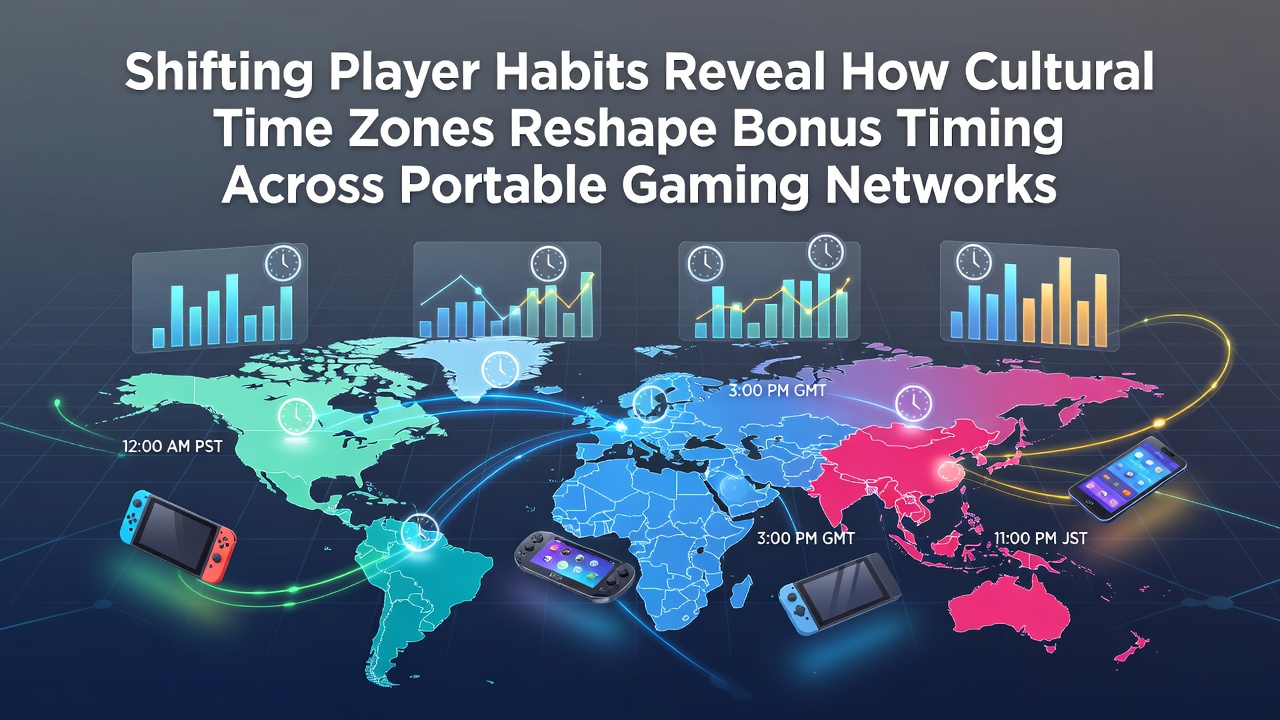
Shifting Player Habits Reveal How Cultural Time Zones Reshape Bonus Timing Across Portable Gaming Networks
Portable gaming networks have adjusted bonus schedules in response to documented shifts in player logins that align with regional time zones and cultural routines, and data from multiple platforms shows these changes affect how often users claim time sensitive rewards. Operators track login peaks that vary by continent, then recalibrate daily reset times for bonuses to match local habits rather than a single global clock, which reduces missed claims and improves retention metrics across apps.
Time Zone Data Patterns in Mobile Sessions
Analysis of session logs from 2025 into 2026 indicates that players in East Asian markets often reach peak activity between 8 PM and midnight local time, whereas European users cluster between 7 PM and 10 PM, and North American patterns spread across evening hours with secondary spikes during lunch breaks. These differences create windows where a bonus tied to UTC resets lands outside active hours for large user groups, prompting networks to introduce region specific timers. Researchers at institutions tracking digital entertainment have noted that apps now segment users by detected device location and apply offset reset clocks accordingly.
Cultural Routines Drive Login Shifts
Festivals, work schedules, and family meal times further modify when people open gaming apps, and August 2026 reports from several networks highlighted elevated afternoon sessions in markets observing summer holidays. One platform recorded a 22 percent rise in midday logins across parts of Southeast Asia during that period, which coincided with adjusted bonus windows that opened at 1 PM local time instead of a fixed midnight UTC mark. Observers note that such tweaks help align rewards with periods when users already check their phones, rather than forcing them to log in at inconvenient hours.
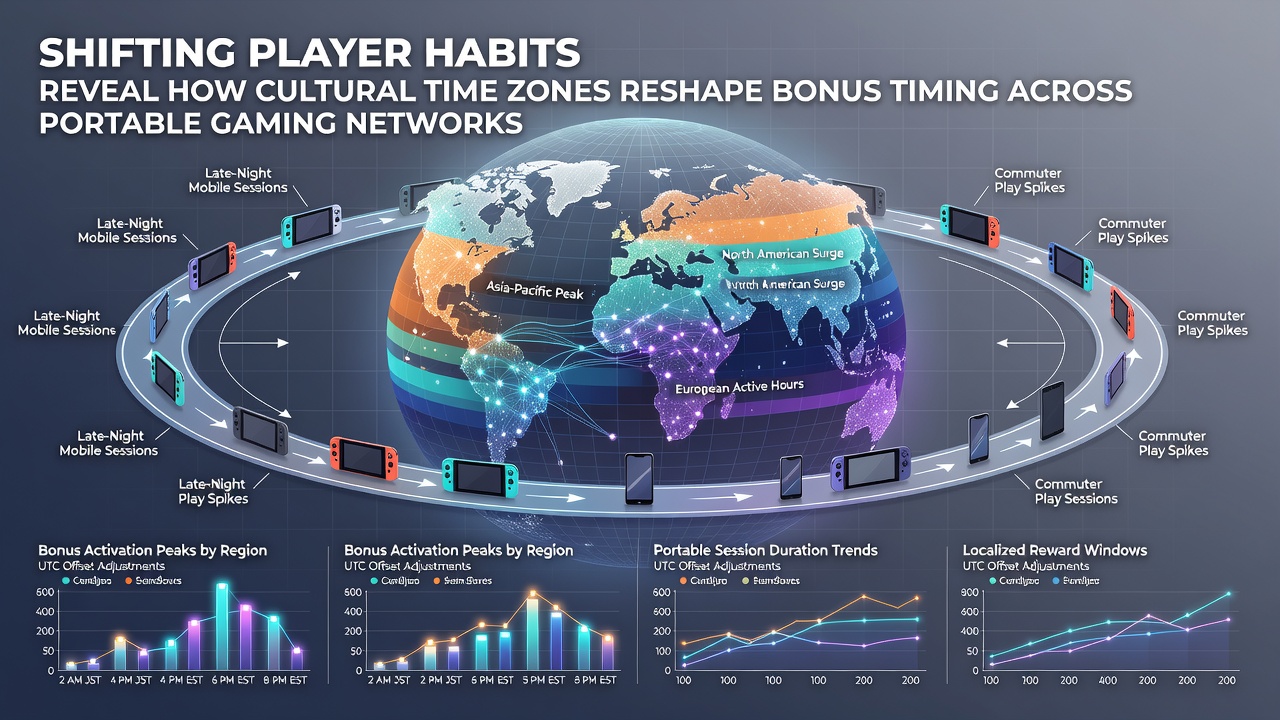
Portable networks also monitor how religious observances and national holidays alter weekly patterns, and data shows reduced evening activity during certain fasting periods or extended family gatherings. In response, several operators introduced floating bonus windows that activate for 48 hours instead of 24, giving users more flexibility to claim rewards without clashing with cultural commitments. Figures from industry tracking services reveal that these extended windows increased claim rates by double digit percentages in affected regions during the first half of 2026.
Network Adjustments and Regional Testing
Developers have rolled out A/B tests that compare fixed UTC bonuses against localized schedules, and results indicate higher engagement when resets match cultural evening peaks rather than a universal standard. According to reports from the Alcohol and Gaming Commission of Ontario, Canadian operators participating in cross border networks have begun sharing anonymized login data to refine these timing models across shared user bases. The approach allows smaller platforms to adopt proven offset strategies without building separate infrastructure.
Meanwhile, academic teams at the University of Nevada have examined how bonus timing influences repeat play across time zones, finding that users who receive notifications at locally relevant hours show steadier session lengths. Their ongoing work suggests that networks combining location detection with cultural calendar data achieve more consistent daily active user numbers, especially in markets where multiple time zones overlap within a single country.
Future Tracking and Platform Responses
Portable gaming networks continue to refine algorithms that predict optimal bonus windows based on aggregated, anonymized location data, and early August 2026 metrics already show stabilization in claim rates after several major apps implemented dynamic resets. These systems update weekly to account for seasonal daylight changes and recurring cultural events, which helps maintain alignment without manual intervention each month. Industry groups such as the European Gaming and Betting Association have begun publishing guidelines on transparent communication of these time adjustments so users understand why their bonus availability shifts.
Conclusion
Shifting player habits tied to cultural time zones have prompted portable gaming networks to move away from rigid global bonus clocks toward flexible, region aware timing systems. Data collected through 2026 demonstrates measurable improvements in claim completion when schedules reflect local peaks and cultural calendars, and ongoing research continues to map how these adjustments interact with broader user retention trends across mobile platforms.