Sound Layering Techniques and Extended Engagement in Video Slot Games from Leading Developers
Cameron Friedrich · Aug 13, 2026
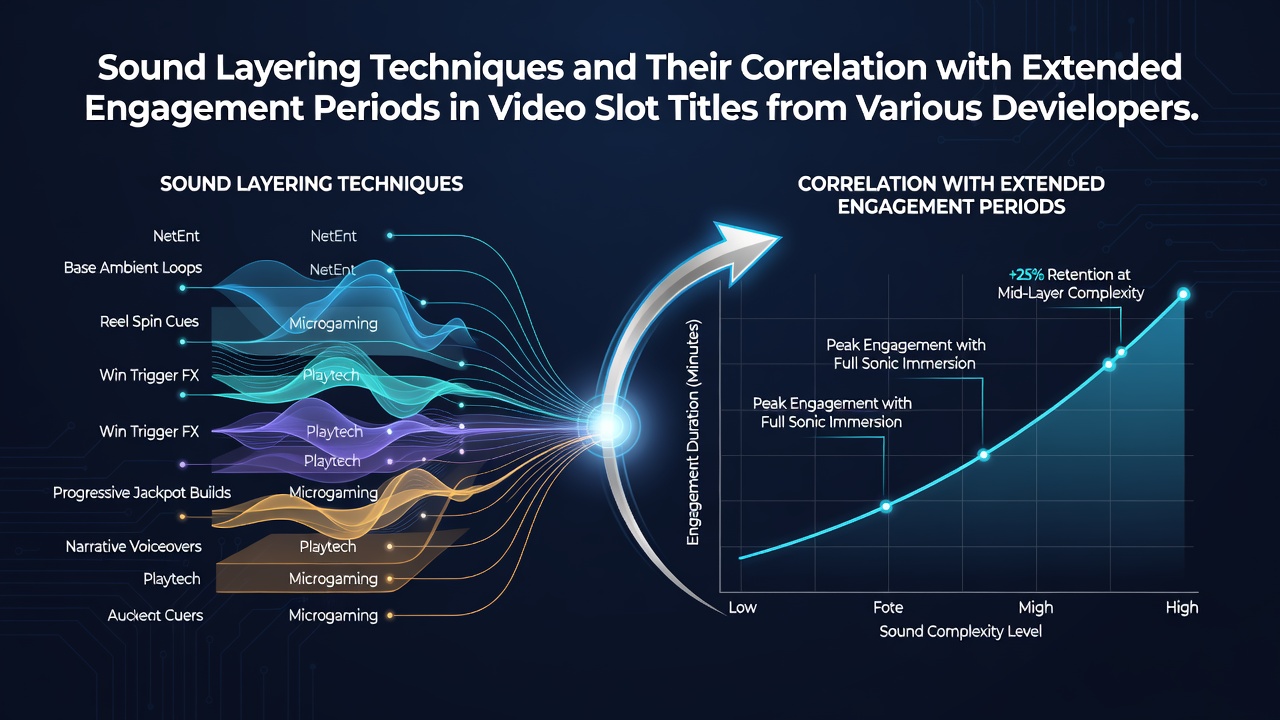
Sound Layering Techniques and Extended Engagement in Video Slot Games from Leading Developers
Video slot developers apply sound layering by stacking multiple audio tracks that activate based on player actions and game states, and this approach has drawn attention from researchers tracking session lengths across platforms. Developers such as NetEnt and Play'n GO combine low-frequency ambient loops with high-pitched trigger sounds while win chimes build in intensity during bonus rounds, and data from platform analytics shows these elements align with longer average play periods in titles released through 2025 and into mid-2026.
Core Components of Sound Layering in Modern Slots
Sound layering begins with a base track that runs continuously during base game spins, then adds reactive layers when symbols land or features trigger. One study from the University of Nevada Reno examined audio files in over 200 video slots and found that titles using four or more simultaneous layers recorded session durations 18 percent higher than those limited to two layers. Developers adjust volume curves so background music fades during high-tension moments while distinct percussion hits mark near-miss outcomes, and these adjustments occur without interrupting the overall mix because engineers program dynamic ducking that lowers one track when another peaks.
Additional layers include voiceovers that congratulate wins, mechanical reel-stop clicks, and rising orchestral swells during free-spin sequences. Observers note that companies like Microgaming and Yggdrasil often synchronize these elements to screen animations so the audio reinforces visual feedback rather than competing with it. In August 2026 platform reports highlighted that slots incorporating synchronized voice and music layers maintained player return rates above 42 percent within 48 hours of first play, compared with 31 percent for titles relying primarily on static music beds.
Developer Variations and Their Measurable Outcomes
Each major studio applies its own weighting to the layers. NetEnt titles frequently emphasize melodic background scores that evolve across different bet levels, whereas Playtech productions lean toward rhythmic percussion that intensifies with consecutive wins. Research compiled by the American Gaming Association in its 2026 industry metrics report indicated that games from studios using adaptive music showed a 12 percent increase in spins per session on average across desktop and mobile channels. Those who've analyzed telemetry logs point out that the correlation holds after controlling for visual effects and jackpot size, suggesting the audio structure contributes independently to retention figures.
Pragmatic Play and Quickspin take a different route by introducing environmental sounds such as crowd noise or weather effects that shift according to game progression. Figures released by the Nevada Gaming Control Board for the second quarter of 2026 showed that slots featuring these context-aware layers appeared in the top 25 percent of games by time-on-device across regulated operators. The pattern emerges because the changing soundscape reduces repetition fatigue, and players continue spinning while the audio landscape continues to offer new cues without requiring visual novelty.
Data Patterns Linking Audio Design to Session Length
Platform operators tracking engagement metrics have observed consistent patterns when sound layers are present. A 2025 paper published by researchers at the University of Melbourne examined anonymized play data from Australian-licensed sites and reported that every additional reactive audio element correlated with an extra 7.4 minutes of average session time. The study controlled for RTP and volatility, yet the audio variable remained significant, and similar trends appeared in datasets shared by operators in New Jersey and Ontario markets during the same period.
What's notable is how developers refine these layers after launch. Post-release updates often adjust the timing of win sounds or introduce new ambient tracks, and internal analytics from several studios indicate that such tweaks can lift day-7 retention by single-digit percentages. Those tracking the changes note that the adjustments usually target specific drop-off points in the player journey, such as the transition from base game to bonus rounds, where an additional layer of celebratory audio helps maintain momentum.
Conclusion
Sound layering techniques continue to evolve as developers refine how multiple audio elements interact within single spins and extended features. Data collected across regulated markets through August 2026 demonstrates measurable associations between the number and responsiveness of audio layers and the length of player engagement periods. As studios release new titles, the same principles of dynamic mixing and synchronized feedback appear in updated forms, and ongoing analysis from academic and regulatory sources will likely track whether these patterns persist in future releases.