The Synchronization Challenges Between Multiple Device Sessions in Cross-Platform Gaming Accounts
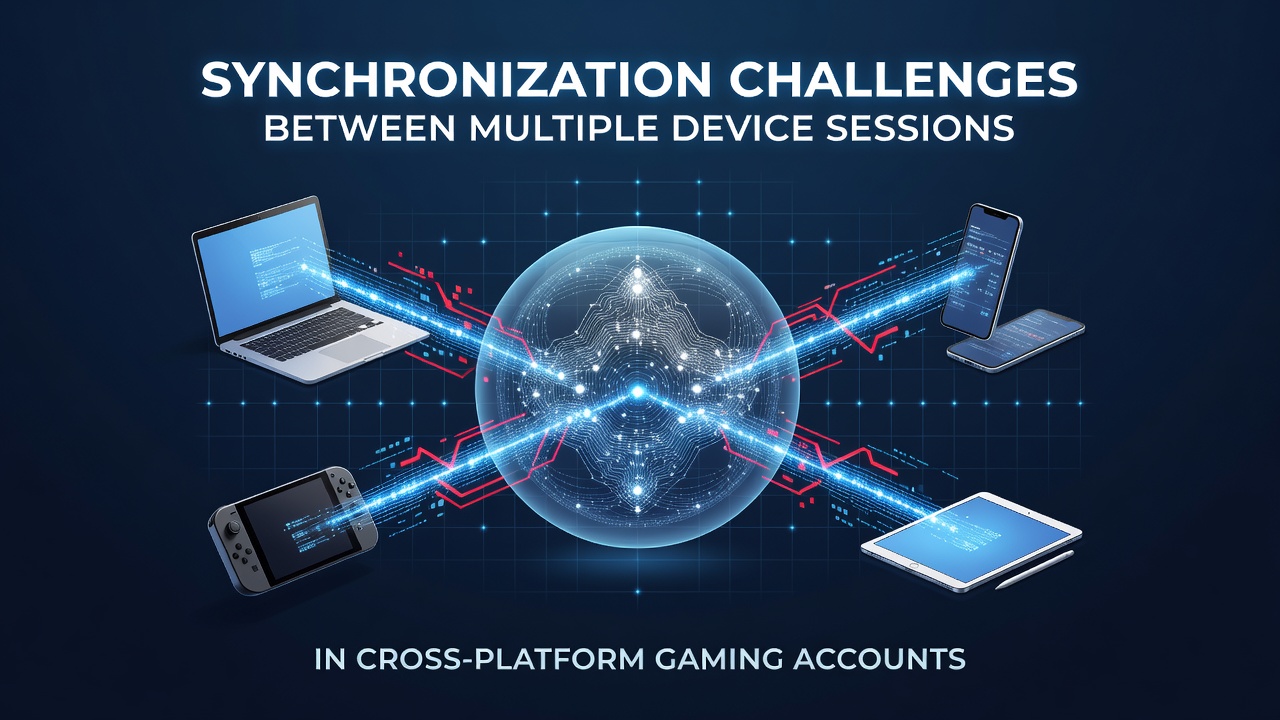
Cross-platform gaming accounts now connect players across consoles, PCs, and mobile devices through unified profiles that track progress, purchases, and statistics in real time. Developers rely on backend services to push updates between sessions, yet conflicts arise when users switch devices mid-game or maintain simultaneous logins on separate hardware. These issues stem from variations in data handling protocols, network conditions, and platform-specific restrictions that prevent seamless state alignment.
Core Technical Barriers in Session Management
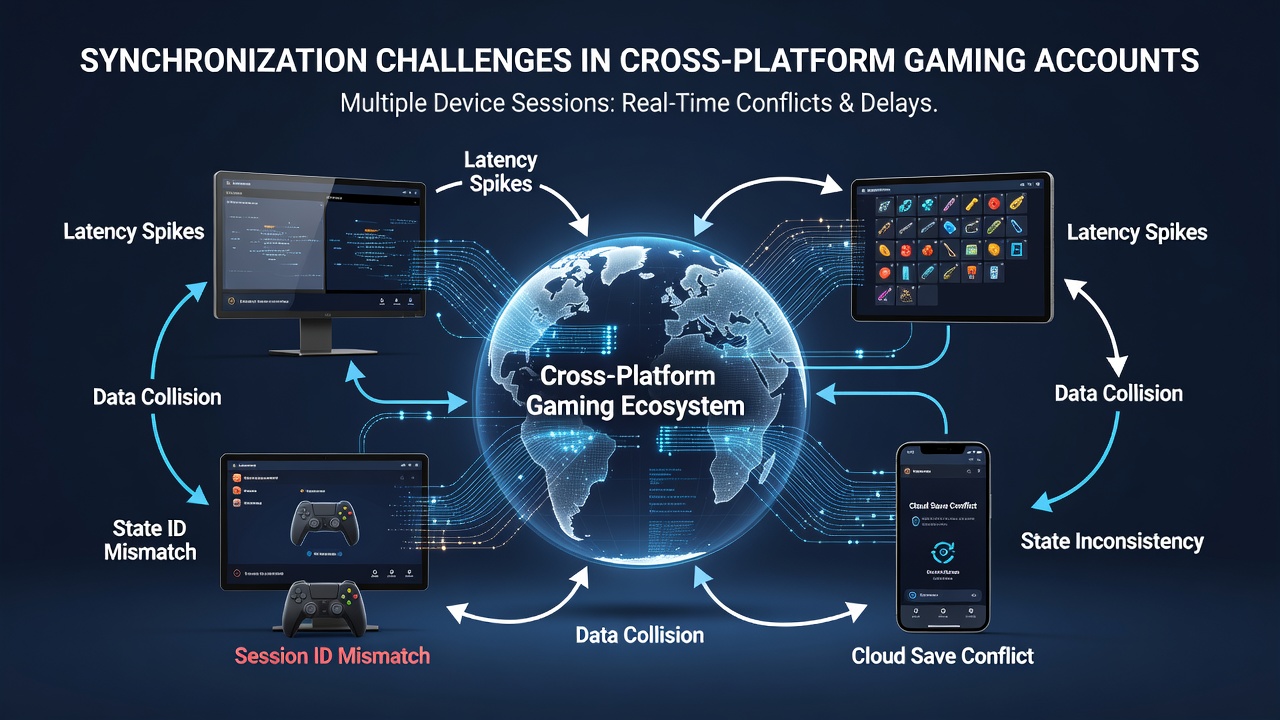
Account systems must reconcile client-side caches with server-authoritative records while handling latency spikes that differ between wired and wireless connections. When one device records a high score or inventory change, the receiving platform sometimes receives incomplete packets because compression algorithms or API versions diverge between operating systems. Studies from research institutions such as those published by the IEEE Computer Society show that packet loss rates above 2 percent frequently trigger rollback events that erase recent actions instead of merging them.
Session tokens expire at different intervals depending on the hardware manufacturer, so a player who leaves a console session open may find their mobile login rejected until the token refreshes. This forces repeated authentication loops that interrupt gameplay flow and create duplicate database entries when reconciliation finally occurs.
Impact on Player Data Integrity
Progress loss remains the most visible symptom when synchronization fails. Cloud save files can overwrite newer local changes if timestamp comparisons use mismatched time zones or clock settings across devices. In June 2026, reports from the Entertainment Software Association highlighted that 14 percent of cross-platform users experienced at least one instance of item duplication or deletion during peak summer update cycles, prompting several publishers to implement additional checksum verification layers.
Observers note that simultaneous sessions on multiple devices compound the problem because servers must decide which state takes precedence. Some titles pause one session automatically, while others allow parallel play and attempt to merge deltas afterward. The latter approach works only when every action carries unique identifiers that survive network interruptions without collision.
Regional Regulatory Influences on Sync Standards
Government agencies in different jurisdictions impose varying data retention and privacy rules that affect how long session logs remain available for conflict resolution. The Australian Communications and Media Authority requires operators to store transaction records for seven years, which can delay deletion of orphaned session data and increase the chance of stale information resurfacing during merges. Canadian regulators through the CRTC have pushed for clearer consent mechanisms when accounts span international servers, leading developers to add region-specific flags that sometimes block automatic syncing until manual approval occurs.
Industry Responses and Emerging Solutions
Game engines now incorporate event sourcing patterns that record every player action as an immutable log entry, allowing servers to replay sequences and resolve conflicts without losing data. Companies such as Unity and Epic have released updated SDKs that prioritize server reconciliation before client rendering resumes. These tools reduce rollback frequency but require higher bandwidth and more powerful backend clusters, raising operational costs for smaller studios.
Trade groups including the Interactive Games and Entertainment Association have begun drafting voluntary guidelines that encourage consistent token lifetimes and unified timestamp standards across platforms. Early adopters report fewer support tickets related to lost progress, although adoption remains uneven because legacy titles still operate on older architectures that cannot easily integrate the new protocols.
Security and Authentication Overlaps
Multi-device logins also expose accounts to credential stuffing attempts when session handoffs occur across unsecured networks. Two-factor systems help, yet the additional verification step can itself desync if the second device receives the code after the session window closes. Researchers at institutions tracking digital security trends have documented cases where attackers exploited brief windows between token refreshes to inject false progress data that later overwrote legitimate saves.
Platform holders continue to refine their authentication flows. Some now use device fingerprinting combined with behavioral analysis to detect anomalous switches and require additional proof before allowing state merges. These measures improve security while adding friction that players must navigate each time they change hardware.
Conclusion
Synchronization challenges persist because cross-platform accounts depend on complex interactions between hardware constraints, network variability, and differing regulatory environments. Developers continue testing reconciliation methods that preserve data integrity without introducing unacceptable latency, yet complete resolution requires coordinated updates across every participating platform and service provider. As more titles adopt event-based architectures and standardized token practices, the frequency of conflicts is expected to decline, though the underlying technical and policy differences will demand ongoing attention.